Skip to content

Software can look trustworthy too early.

A market signal can look current, a booking can look synced, and AI-generated work can sound complete before review. I build the controls and pass conditions that test those claims, with acceptance records you can inspect here.

Risk → control → evidence

Failures that read as success

Each record starts with a state that could mislead: stale market data, an offline scheduling conflict, or AI output that sounds complete. The work record shows the risk, the control, the evidence, and the condition for letting the work advance.

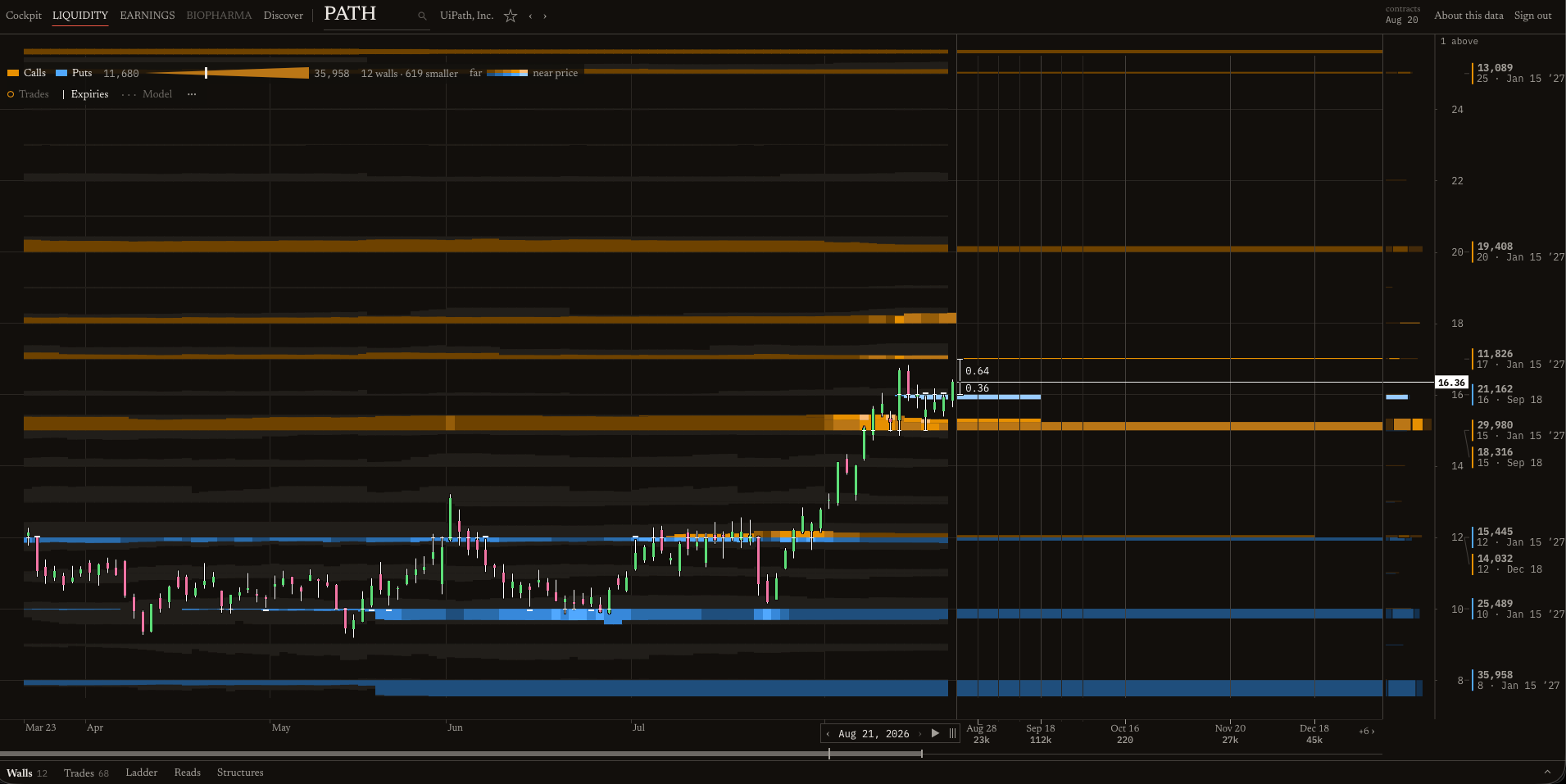
  1. Data product · Market Strength Dashboard

    Stale signals can look decision-grade.

    Provider gaps, revision timing, and mounted-storage vintage made stale data appear current.

    Control

    Provenance checks separate provider effective date, processed date, and build timestamp. Archive vintage is verified at startup before any market signal renders.

    Tradeoff: the system carries source-health and vintage metadata instead of treating the dashboard as a chart layer.

  2. Operator tool · Corsetta

    Offline handoffs can fork real work.

    One stylist could book offline while another booked online, then reconnect into a double-booked appointment.

    Control

    Queued local writes sync through version checks. Divergent server state becomes a pending conflict with explicit review choices, not a silent overwrite.

    Tradeoff: the app accepts sync complexity so fitting-room work can continue without silent overwrites.

  3. Delivery workflow · Agent control lane

    AI output can sound accepted before review.

    A polished response can make a slice feel done before review, tests, continuity sync, or release-state separation have actually happened.

    Control

    Scope, pass condition, returned diff, validation, findings-first review, and explicit BUILDLOG release state gate any advancement to the next slice.

    Tradeoff: delivery moves slower up front so a fresh lane can restart from durable repo artifacts instead of trusting chat memory.